RV Removal

rvs-parked-at-the-beach-this-is

RV Removal & Disposal in Jacksonville, OR

Unwanted campers, trailers and motorhomes leave Jacksonville, OR with RV Removal Pros, including units parked off Oregon Route 238. Within 15 miles of town, 9 RV parks and campgrounds are mapped.

Find your city

    1: Customer Information

    2: Service Information

    Motorhome being removed as part of a free RV removal service. Loader lifting an RV (recreational vehicle), showing the process of elevating the vehicle

    RV Removal & Disposal Services in Jackson County

    Hauling a trailer that no longer travels takes more than a pickup truck and good intentions. Jackson County has 9,291 travel trailers on record, along with 3,388 motor homes. Each of those counts covers the whole county, not just this town. Ours is a simpler number: one unit you want gone, and a crew ready to take it away.

    Gone is the long shadow that sat beside your house for years. Bare soil, a few leveling blocks and a strip of yellowed grass mark where the tires rested. Homeowners can reseed that ground, and landowners can use the pad for equipment or a garden bed. Business owners get back a parking space they had stopped counting.

    RV Problems We Take Off Your Hands in Jacksonville

    Decks and Awnings Attached

    Built up over time, this camper now carries a wood deck, an awning and skirting that make it look rooted in place. Leaving it means boards that rot and a structure that eats yard space. Add-ons need more planning before towing, and we help work that out.

    Roof Leaks and Soft Floors

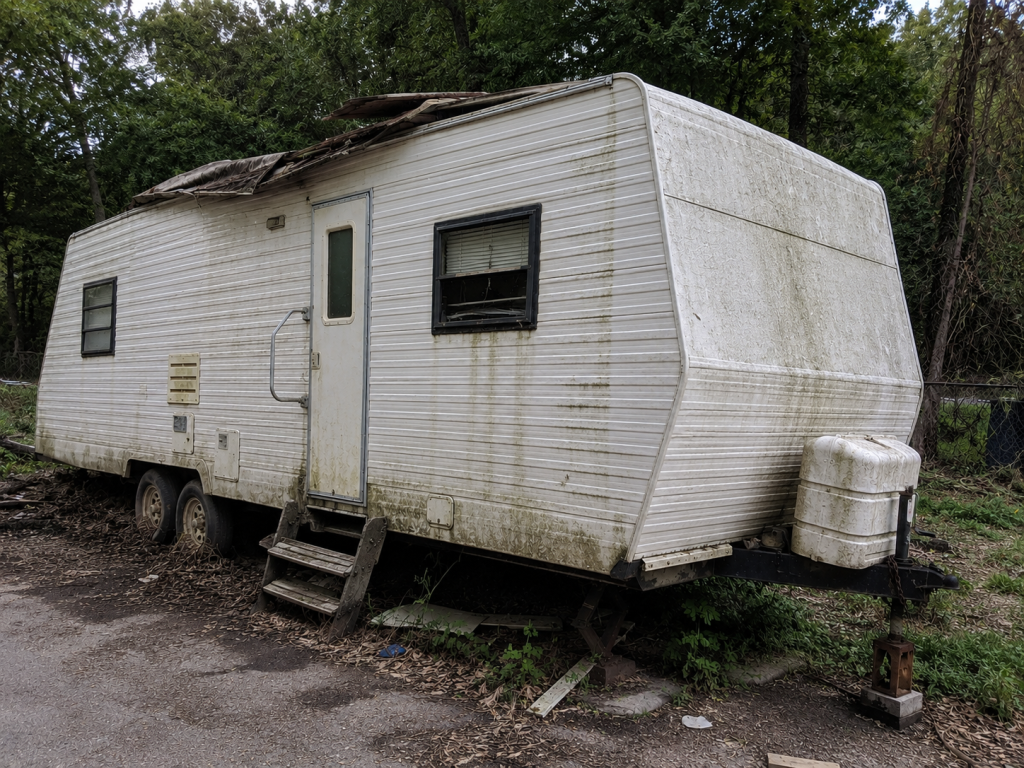
    Moisture has turned this travel trailer's floors soft, pulled the ceiling down and left the roof in pieces. Every month it stays, mold spreads and the unit loses any chance of a sale. Towing it out frees the pad for something you can actually use.

    Left at an RV Park

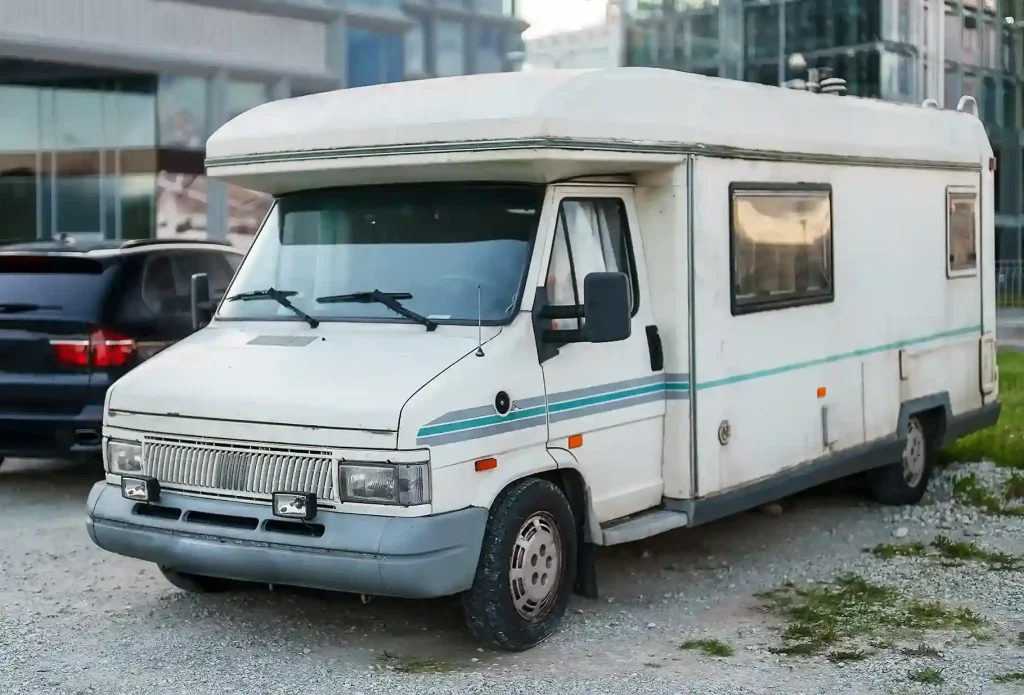
    Nobody came back for this trailer after its owner left, and now the site sits blocked for whoever manages the lot. That person cannot rent the space or use it while the shell stays put. Clearing it out returns the ground to work.

    How a Removal Goes in Jacksonville

    We make the RV removal process straightforward by helping property owners coordinate the removal of unwanted campers, motorhomes, travel trailers, and other recreational vehicles. Here's what you can expect during the process.
     
    01

    Tell Us About the RV

    Provide basic information about the RV, including its type, condition, and location. Whether the vehicle is operational, damaged, abandoned, or no longer needed, our team can review the details and discuss available removal options.

    02

    Review Removal Details

    We review factors such as vehicle condition, site accessibility, attached structures, and any other details that may affect the removal process. This helps ensure the appropriate removal approach is planned for the situation.

    03

    Schedule the Removal

    Once the details have been reviewed, the RV can be scheduled for removal. Our team coordinates the process and helps ensure the vehicle is removed safely and efficiently from the property.

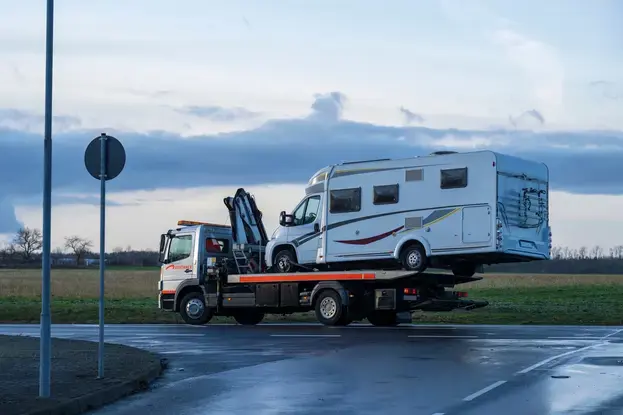
    RV Trailer at Sunset rv-on-tow-truck-mini

    What We Remove in Jacksonville: RVs, Semi Trailers, Buses & Containers

    Hitched units make up much of this work: bumper-pull travel trailers, fifth wheels with a raised gooseneck and toy haulers with room in back for gear. Any of them can come off a gravel pad, a driveway or a lot along Oregon Route 238 on our truck.

    Freight trailers retire too, and we haul semi trailers, buses and shipping containers off yards and open land. Federal records for this town list 29 trucking companies with 68 trailers between them. When one of those trailers is done working, it can leave with us.
    • Class A Motorhomes

    • Class B Camper Vans

    • Class C Motorhomes

    • Travel Trailers

    • Fifth Wheels

    • Toy Haulers

    • Pop-Up Campers

    • Truck Campers

    • Park Models

    • Semi Trailers

    • Buses

    • Shipping Containers

    Helping Property Owners Remove Unwanted RVs in Jacksonville, OR

    Towing, teardown and recycling all stay with RV Removal Pros, so no second outfit touches your camper. Census estimates put 949 homes in this county that are a boat, RV or van, and any unit leaving one follows that same single path. Along the way, steel and usable parts are recycled or reused whenever possible, with the tow included.

    Either the online booking form or a call to 541-402-2127 gets a free quote started, whichever suits your day. Share the unit type, whether it runs, and where it is parked so the price fits the job. RV Removal Pros also covers Ruch, about 7 miles away.

    Jacksonville, OR by the Numbers: RVs & Trailers

    RV Parks & Campgrounds Near Jacksonville

    9 RV parks and campgrounds on the map within 15 miles.

    RV Businesses Near Jacksonville

    3 RV businesses on the map within 15 miles.

    RVs on Record in Jackson County

    9,291 travel trailers, 3,388 motor homes, 541 campers and 264 buses.

    Homes on Wheels in Jackson County

    About 949 homes are a boat, RV or van, give or take 390.

    RV Businesses in Jackson County

    10 RV dealers and 7 RV park and campground businesses with paid employees.

    Trucks & Trailers in Jacksonville

    29 active carriers on the federal list, with 68 owned trailers.

    Weather in Jackson County

    1 wind report in the latest full year on record.

    Oregon Title Rules

    In Oregon, a trailer with a loaded weight of 1,801 pounds or more must be titled and registered if used on highways; the 1,800-pound exemption excludes travel trailers.

    Oregon requires a person who is not a licensed dismantler to notify DMV before dismantling a vehicle, then submit its registration, plates and title within 30 days.

    Confirm your case with Oregon Driver & Motor Vehicle Services (ODOT).
    Places listed are not affiliated with RV Removal Pros. Distances are straight lines from the center of Jacksonville.Sources: OpenStreetMap contributors 2026; Oregon DMV, as of December 31, 2023; Census American Community Survey 2020-2024; Census County Business Patterns 2023; FMCSA Company Census 2026; NOAA Storm Events Database 2025; Oregon Driver & Motor Vehicle Services (ODOT), checked November 2026; Census TIGER roads 2024.

    Frequently Asked Questions

    • Is there a fee for getting a removal estimate?
      No fee applies to an estimate in Jacksonville, and accepting one is never required. Every price is laid out plainly before work begins, with nothing tacked on, so a homeowner sees the full picture before our crew pulls in.
    • How is your service different from a standard junk-hauling company?
      Specializing in RVs, campers, motorhomes and trailers means we bring fitting equipment, know-how and set ways to dispose of these heavy, awkward units. Green disposal is another thing that separates us from general junk crews clearing yards and shop lots.
    • What areas in Jackson County do you serve?
      The whole county is served, inside city limits and across unincorporated land. Tell us where your RV is parked, from a lot in town to open rural acreage, and pickup and removal get set up for you.
    • Will you remove personal belongings or propane tanks before towing?
      Personal belongings and propane should be dealt with first, so we recommend emptying the camper and draining the tanks if possible. When a house or shop makes that hard, let us know early so the crew can plan for safety. Draining fluids and unhooking tanks before the tow is something we can often assist with.
    • Do you offer same-day quotes and pickups?
      Pricing for an RV comes almost instantly once we know its size, location and condition. Same-day pickups around town sometimes fit the schedule, though next-day service is more common.
    • What do you mean by "environmentally responsible disposal"?
      Sorting comes first: metal, scrap and working parts are separated and sent to recyclers whenever possible, so less material gets thrown away. Fuel, oil and refrigerants are drained, then handled in line with local environmental regulations, whether the unit left a ranch or a carport.