RV Removal

rvs-parked-at-the-beach-this-is

RV Removal & Disposal in Gladeview, FL

Gladeview, FL homes and lots can have an unwanted RV, camper or trailer towed off by RV Removal Pros, with pickups across Miami-Dade County. Within 25 miles of town, 2 RV parks and campgrounds are mapped.

Find your city

    1: Customer Information

    2: Service Information

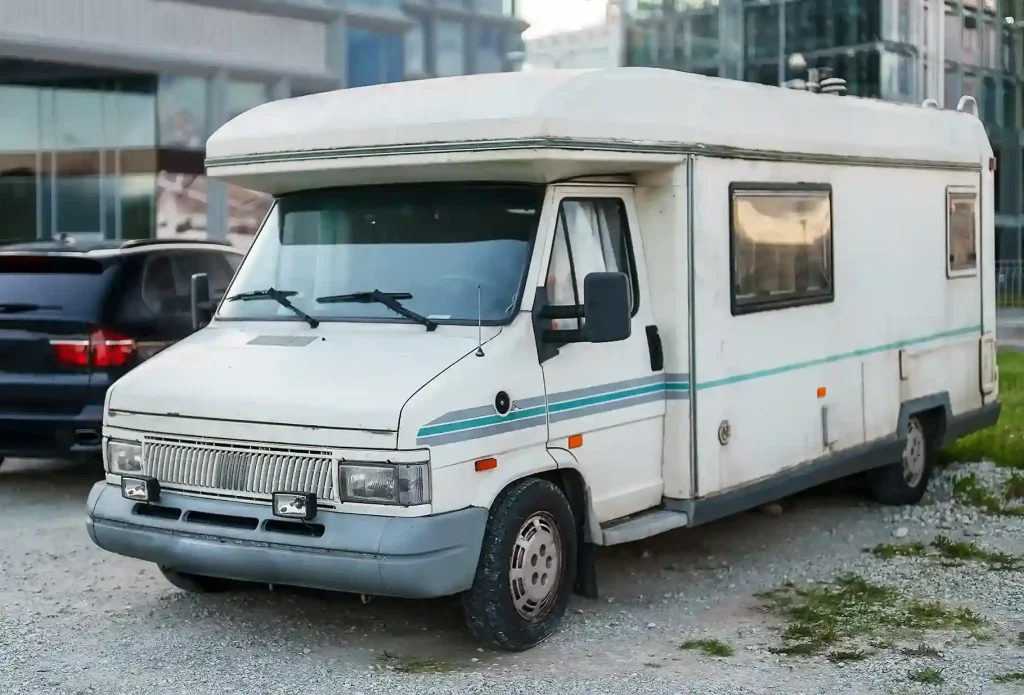
    Motorhome being removed as part of a free RV removal service. Loader lifting an RV (recreational vehicle), showing the process of elevating the vehicle

    RV Removal & Disposal Services in Miami-Dade County

    Parked beside a house with no trips planned, a camper slowly becomes part of the yard and stops being a vehicle. In Miami-Dade County, the Census estimates 678 homes are a boat, RV or van. That figure counts homes, not campers waiting to leave. Homeowners, business owners and landowners in town can still clear out the one they no longer want.

    First, the crew checks the hitch, tires and frame and the path to the street. A unit that rolls is hooked up, while one that will not budge is winched onto a flatbed. Business owners with a trailer behind a shop off US Highway 441 are handled this way too. Miami-Dade County has 7,315 travel trailers on record, and each one we take leaves clear ground behind.

    Situations We Can Help With in Gladeview

    Won't Start, Won't Roll

    Without a working engine, and with seized brakes or flat tires, a motorhome or tow-behind has to be pulled out rather than driven. Leaving it costs a parking spot and lets rust and weather keep working on it. Pulling it out frees the pad for a car again.

    Roof Leaks and Soft Floors

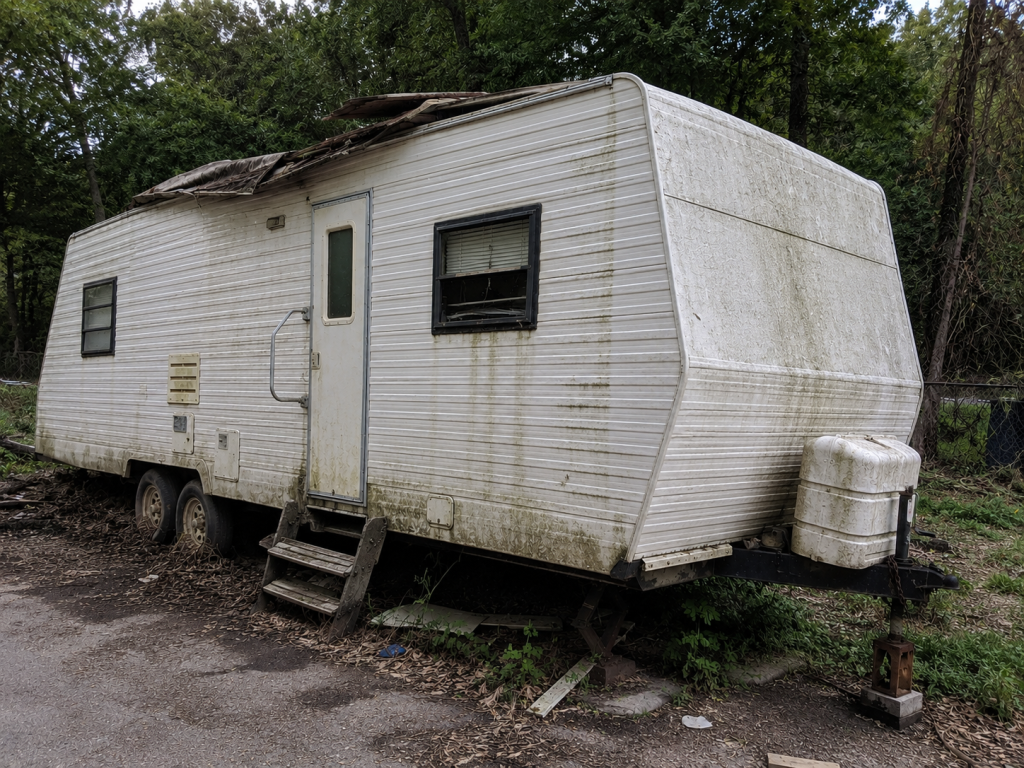
    Rainwater has ruined this trailer, leaving soft floors, a sagging ceiling and a roof that caved in. Every week it stays, mold spreads inside and the yard stays crowded. Removing it gives back ground for a shed, a garden or open lawn.

    Selling the Property

    Prospective buyers touring a Gladeview house notice a parked camper before they notice the yard around it. Keeping it through the sale makes the lot feel smaller and less cared for. Clearing it before the house or lot changes hands shows the driveway at full size.

    What Happens After You Call

    We make the RV removal process straightforward by helping property owners coordinate the removal of unwanted campers, motorhomes, travel trailers, and other recreational vehicles. Here's what you can expect during the process.
     
    01

    Tell Us About the RV

    Provide basic information about the RV, including its type, condition, and location. Whether the vehicle is operational, damaged, abandoned, or no longer needed, our team can review the details and discuss available removal options.

    02

    Review Removal Details

    We review factors such as vehicle condition, site accessibility, attached structures, and any other details that may affect the removal process. This helps ensure the appropriate removal approach is planned for the situation.

    03

    Schedule the Removal

    Once the details have been reviewed, the RV can be scheduled for removal. Our team coordinates the process and helps ensure the vehicle is removed safely and efficiently from the property.

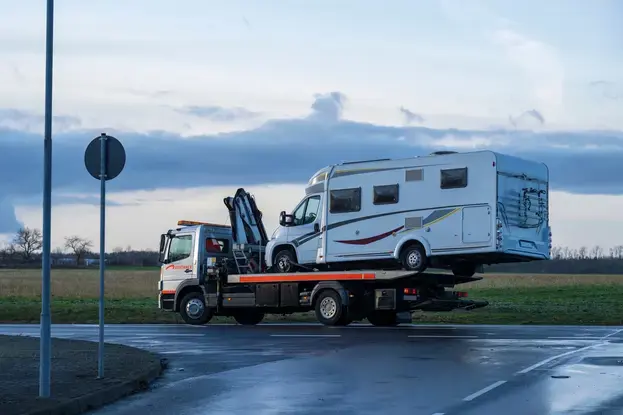
    RV Trailer at Sunset rv-on-tow-truck-mini

    Every Kind of RV, Plus Semi Trailers, Buses & Containers

    Torn canvas, a stuck lift system or a cracked roof can leave a pop-up camper unusable, and a truck camper set on its jacks beside the garage often just stays there. Both of these small units leave with us as easily as a larger travel trailer does.

    Besides campers, we remove semi trailers, buses and shipping containers, taking them off company lots, work yards and private land. Retired buses can be towed in whatever condition they sit. Any container that should continue by train can be trucked to Miami Springs, about 4 miles away, home to a terminal for both containers and trailers.
    • Class A Motorhomes

    • Class B Camper Vans

    • Class C Motorhomes

    • Travel Trailers

    • Fifth Wheels

    • Toy Haulers

    • Pop-Up Campers

    • Truck Campers

    • Park Models

    • Semi Trailers

    • Buses

    • Shipping Containers

    Helping Property Owners Remove Unwanted RVs in Gladeview, FL

    No money changes hands for an estimate, and it carries no obligation at all. Upfront, you hear one price that already includes towing and leaves out hidden fees. Whether the camper sits near Blue Lagoon, about 4 miles from the center of town, or right beside your house, the pricing works the same way.

    Explain what kind of unit you have, whether it runs or is burned or wrecked, and where it sits, such as a driveway, a shop lot or a storage facility where we coordinate access. Then call 305-417-4552 or book online and receive a quote at no cost. RV Removal Pros also covers Brownsville, about 1 mile away.

    Local RV Facts Around Gladeview

    RV Parks & Campgrounds Near Gladeview

    2 RV parks and campgrounds on the map within 25 miles.

    RVs on Record in Miami-Dade County

    7,405 buses and 7,315 travel trailers.

    Homes on Wheels in Miami-Dade County

    About 678 homes are a boat, RV or van, give or take 290.

    RV Businesses in Miami-Dade County

    8 RV dealers and 7 RV park and campground businesses with paid employees.

    Weather in Miami-Dade County

    3 hail reports and 9 wind reports in the latest full year on record.

    Nearest Rail Container Terminal

    Miami, FL, Miami Springs, FL, about 4 miles away.

    Florida Title Rules

    Florida requires most vehicles to be titled, with exceptions including mopeds, motorized bicycles and trailers weighing less than 2,000 pounds.

    In Florida, each owner named on the last title must surrender the certificate of title to the department when the motor vehicle or mobile home is dismantled or destroyed.

    Confirm your case with Florida Department of Highway Safety and Motor Vehicles.
    Places listed are not affiliated with RV Removal Pros. Distances are straight lines from the center of Gladeview.Sources: OpenStreetMap contributors 2026; Florida Highway Safety and Motor Vehicles, as of October 2026; Census American Community Survey 2020-2024; Census County Business Patterns 2023; NOAA Storm Events Database 2025; US DOT intermodal rail facilities; Florida Department of Highway Safety and Motor Vehicles, checked November 2026; Census TIGER roads 2024; USGS National Hydrography Dataset.

    Frequently Asked Questions

    • What do you mean by "environmentally responsible disposal"?
      Sorting matters most: metal, scrap and working parts are pulled aside and passed to recyclers when possible, so less of the unit is simply thrown away. Fuel, oil and refrigerants are drained, then discarded in the way local environmental regulations require for each unit from a home in town.
    • How is your service different from a standard junk-hauling company?
      Our work centers on RVs, campers, motorhomes and trailers, using equipment, know-how and disposal channels suited to large units that resist hauling from a home or lot. Unlike general-purpose junk removal, we also put green disposal first.
    • Is there a fee for getting a removal estimate?
      Quotes and estimates are completely free and come with no obligation. Pricing is transparent with no hidden fees, so a homeowner in town knows exactly what to expect before we arrive.
    • Are there any hidden fees I should know about?
      None at all, because what we quote upfront is what you pay. Nothing surprising lands on the bill at pickup, no disposal charge and no compliance fee, whether the unit sits in a driveway or on a business lot.
    • Will you remove personal belongings or propane tanks before towing?
      Remove any personal items and drain propane tanks if you can. When you cannot manage that, tell our team in advance so proper safety precautions are planned at your home or lot. In many jobs, our crew also empties fluids and unhooks tanks ahead of towing.
    • Do you tow the RV, or do I need to provide towing?
      Accept the quote, and our crew dispatches the proper tow truck or equipment to haul your RV or camper away safely. Nothing else is required of you, whether the unit sits at a house in town or on open land.