
Left at an RV Park
Walked off by its owner, a camper left on a rented lot blocks that site for whoever manages the property. Nobody can rent the space or even mow it while the unit stays put. Removing it gives the lot manager a usable site again.


Parked on a lot by State Route 97 in Friendship, ME, an unwanted camper or motorhome can leave with RV Removal Pros, which hauls RVs off homes, businesses and land with towing included.
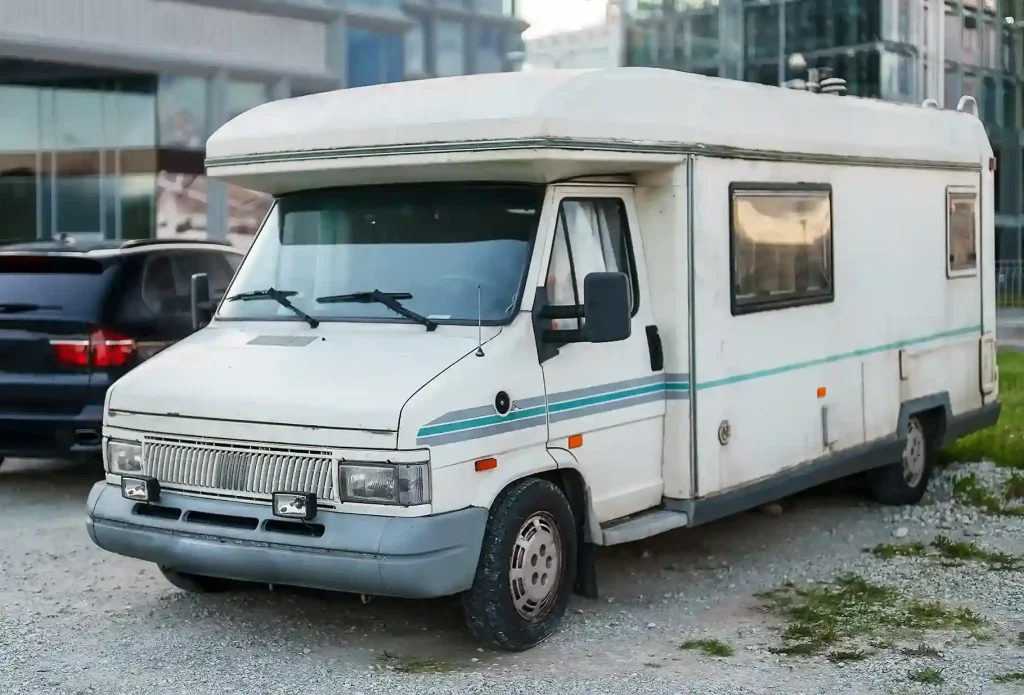

Holding a camper nobody takes out means trimming grass around its tires and walking past it every day. Perhaps it sits in a yard beside the house, or on land closer to Webber Pond, about 5 miles from the center of town. Wherever it rests, it ties up ground you could use. Homeowners and landowners can have it hooked up and taken away, whether the engine still turns over or quit long ago.
Hauling day begins with a look at the hitch, the tires and the path from the unit out to the road. Towables get coupled to our truck, while a camper too weak to roll on its own wheels is loaded instead. Business owners only need to point out gates or tight turns ahead of time. Then the unit rides out, and the spot it held is yours again.
Walked off by its owner, a camper left on a rented lot blocks that site for whoever manages the property. Nobody can rent the space or even mow it while the unit stays put. Removing it gives the lot manager a usable site again.
Arrival of a newer camper leaves the old one parked right where the new unit should go. Keeping both crowds the driveway and fills the yard with two vehicles where one would do. Clearing the older camper out frees the pad before delivery.
Idle cargo trailers and a bus that stopped running can hold a corner of a farm or a business yard for years. Every season they sit, they take room from equipment, stock or parking. Taking them away returns that ground to work.
Provide basic information about the RV, including its type, condition, and location. Whether the vehicle is operational, damaged, abandoned, or no longer needed, our team can review the details and discuss available removal options.
We review factors such as vehicle condition, site accessibility, attached structures, and any other details that may affect the removal process. This helps ensure the appropriate removal approach is planned for the situation.
Once the details have been reviewed, the RV can be scheduled for removal. Our team coordinates the process and helps ensure the vehicle is removed safely and efficiently from the property.

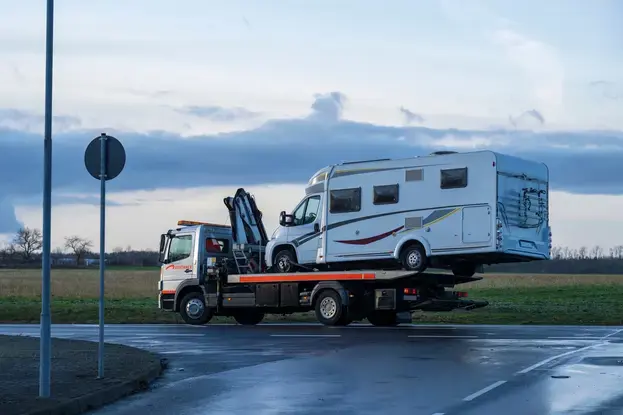
RV REMOVAL SERVICES FOR A WIDE RANGE OF VEHICLE TYPES


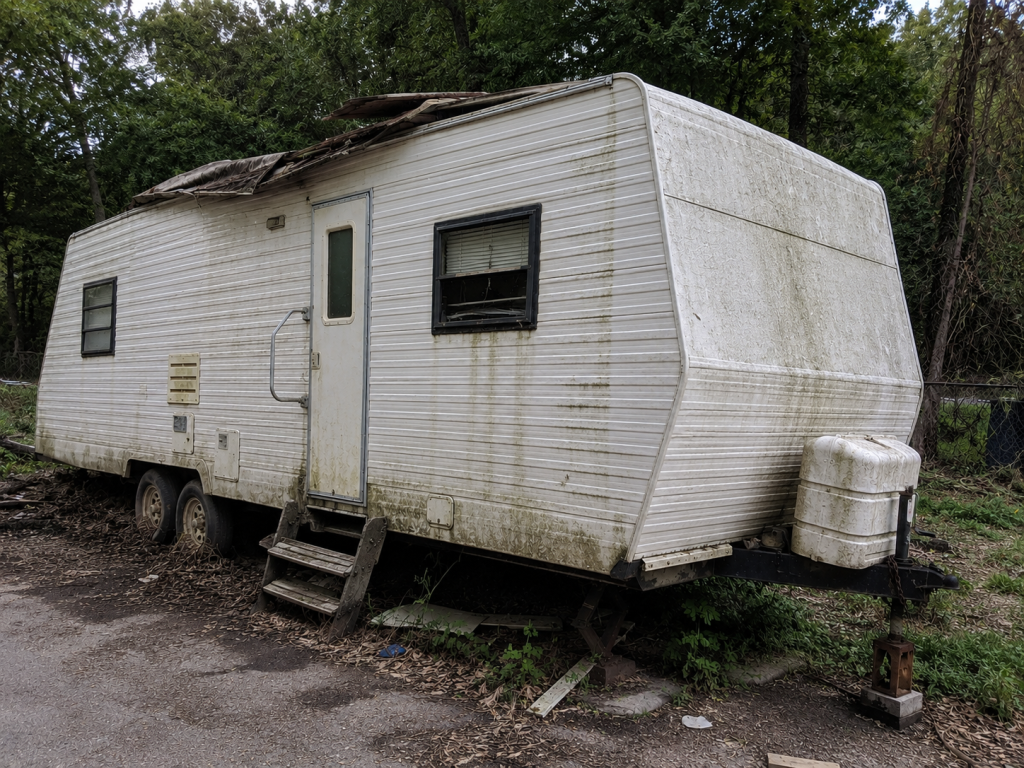

Estimates come free, with no obligation, and the price you hear upfront is the price you pay, with no hidden fees. Towing sits inside that figure. Within 15 miles of Friendship, 1 RV park or campground is mapped, and a camper on your own land gets the same plain pricing.
Booking takes a call to 207-280-6580 or a short request online. Share the camper's kind, whether it starts, and the spot it occupies on your Knox County property, plus any deck or awning we will plan around together. RV Removal Pros also covers St. George, about 6 miles away.
1 RV park or campground on the map within 15 miles.
3 RV park and campground businesses with paid employees.
3 active carriers on the federal list, with 5 owned trailers.
Maine requires a title for trailers with an unladen weight of 3,001 pounds or more, and for motor vehicles with a model year within the last 25 years.
Maine law says an owner who scraps or dismantles a vehicle must surrender the certificate of title to the Secretary of State within 30 days.
Confirm your case with Maine Secretary of State, Bureau of Motor Vehicles.