
Making Room for a Newer One
Swapping campers leaves the older one holding the only level spot by the driveway. Keeping it means a second unit to insure and to park around. Once it is gone, the new camper rolls straight into its place.


Bloomfield, PA lies about 9 miles from Raystown Lake. Here, RV Removal Pros hauls off old motorhomes, campers and trailers from homes, businesses and private land, in any condition, with towing included.
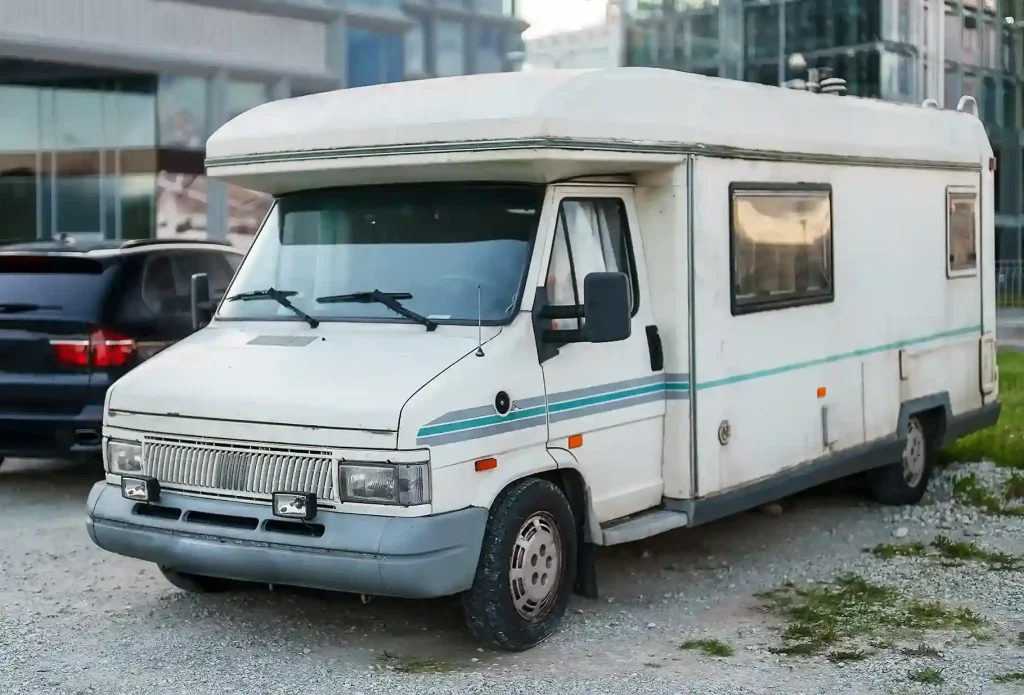

Bought for weekends away, an old camper can end up parked beside a shed off Pennsylvania Route 34. Its tires go soft and its roof seals dry out. Meanwhile it holds a spot a truck or a garden could use. Homeowners, business owners and landowners in town all run into this.
Arrival comes first: our driver looks at how the unit sits and where the truck can reach it. Any camper that still rolls gets hooked to the hitch and pulled out. Units with no working wheels are winched onto a flatbed instead, and towing is part of the price. By the time the truck leaves, your yard or lot is clear.
Swapping campers leaves the older one holding the only level spot by the driveway. Keeping it means a second unit to insure and to park around. Once it is gone, the new camper rolls straight into its place.
Fire took the interior of this motorhome, or a fallen tree crushed its roof, and repair is off the table. Left in place, it keeps drawing eyes and holding ground. Hauling it away frees the spot for parking, a garden or a cleaner listing.
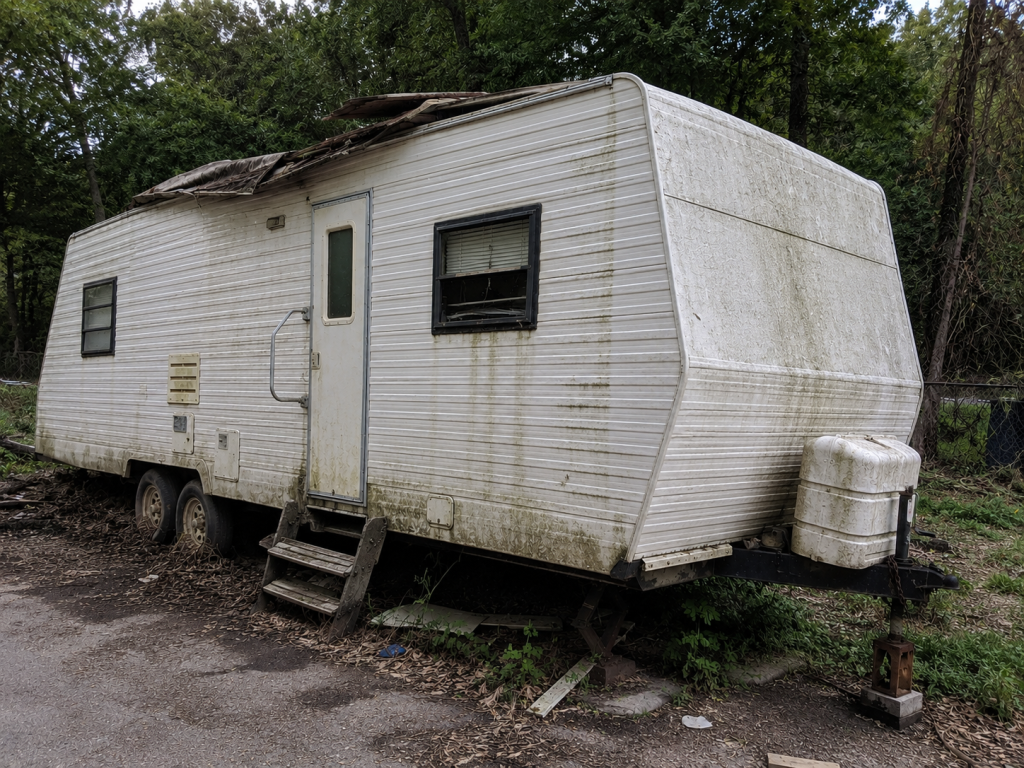
Nothing about this tow-behind moves anymore: flat tires, seized brakes, and a motorhome beside it with an engine that will not turn over. Neither can be driven, so both must be pulled. Clearing them gives a landowner room for equipment or a sale.
Provide basic information about the RV, including its type, condition, and location. Whether the vehicle is operational, damaged, abandoned, or no longer needed, our team can review the details and discuss available removal options.
We review factors such as vehicle condition, site accessibility, attached structures, and any other details that may affect the removal process. This helps ensure the appropriate removal approach is planned for the situation.
Once the details have been reviewed, the RV can be scheduled for removal. Our team coordinates the process and helps ensure the vehicle is removed safely and efficiently from the property.

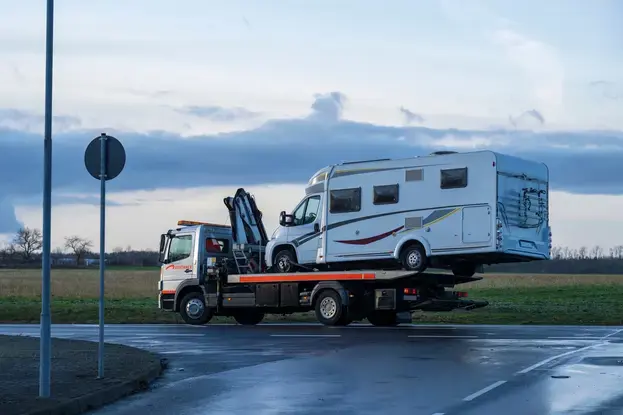
RV REMOVAL SERVICES FOR A WIDE RANGE OF VEHICLE TYPES



From hookup to the last recycled part, one crew handles your camper. Within 15 miles of town, 6 RV parks and campgrounds are mapped, but a finished unit needs a tow, not a site. Metal, scrap and working parts are recycled or reused whenever possible.
Two ways work: the online booking form or a call to 814-458-1005. Either way, list the unit as a travel trailer, motorhome or bus, note if it starts or burned, and say where it sits. RV Removal Pros also covers Claysburg, about 4 miles away.
6 RV parks and campgrounds on the map within 15 miles.
1 RV business on the map within 15 miles.
3 RV park and campground businesses with paid employees.
1 active carrier on the federal list, with 2 owned trailers.
3 wind reports in the latest full year on record.
Chambersburg, PA, about 47 miles away.
In Pennsylvania, an owner who transfers a vehicle to a scrap metal processor must assign the certificate of title or certificate of salvage to the processor.
Confirm your case with Pennsylvania Department of Transportation (PennDOT).