
Won't Start, Won't Roll
Some motorhomes and tow-behinds simply quit, with a dead engine, seized brakes or tires gone flat. Leaving one in place means it blocks the spot and keeps aging. Our tow pulls it out, so the driveway or yard opens up again.


Mount Angel, OR owners can have an idle camper, motorhome or trailer hitched up and hauled off by RV Removal Pros. Within 15 miles of the town center, 6 RV parks and campgrounds are mapped, and units off Oregon Route 214 leave on our tow.
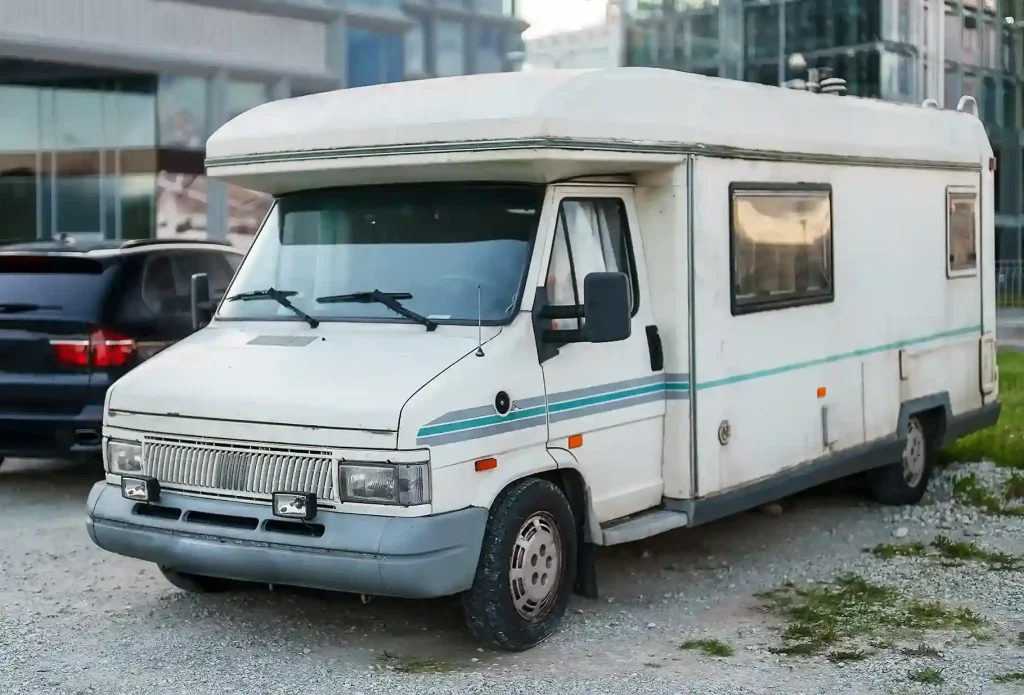

An idle trailer on a home lot, a shop yard or a farm keeps claiming ground long after the trips stop. Marion County has 8,983 travel trailers on record, a figure that says nothing about which ones are unwanted. Yours might sit by a shop, a barn or a garage. Once you decide it should go, our crew hooks it up and hauls it off, running or wrecked.
Picture the space after pickup: a flat rectangle of pressed grass or bare gravel where the trailer stood. Homeowners can park a second car there again. Business owners get back a loading corner, and landowners regain a stretch of field for equipment or planting. Usable parts and metal from the unit are recycled or reused whenever possible.
Some motorhomes and tow-behinds simply quit, with a dead engine, seized brakes or tires gone flat. Leaving one in place means it blocks the spot and keeps aging. Our tow pulls it out, so the driveway or yard opens up again.
Family property can arrive with an RV attached that nobody wants to drive or maintain. Keeping it ties up ground and leaves the heirs working around a unit no one claims. Hauling it off clears the land for use or for a buyer.
Ordering a newer camper often leaves the older one with nowhere to go. Two units rarely share one pad comfortably, and the old one just weathers in the way. Removing it makes room for the replacement to roll in.
Provide basic information about the RV, including its type, condition, and location. Whether the vehicle is operational, damaged, abandoned, or no longer needed, our team can review the details and discuss available removal options.
We review factors such as vehicle condition, site accessibility, attached structures, and any other details that may affect the removal process. This helps ensure the appropriate removal approach is planned for the situation.
Once the details have been reviewed, the RV can be scheduled for removal. Our team coordinates the process and helps ensure the vehicle is removed safely and efficiently from the property.

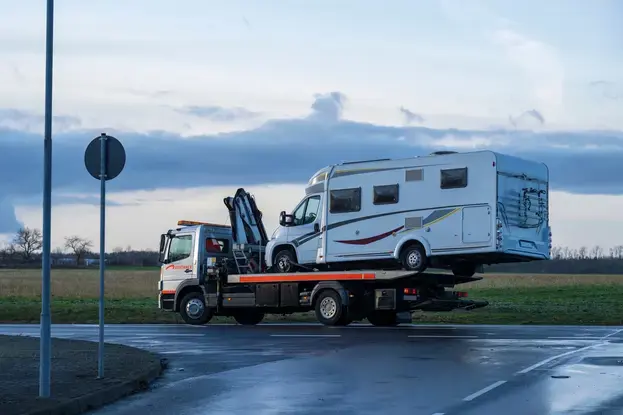
RV REMOVAL SERVICES FOR A WIDE RANGE OF VEHICLE TYPES


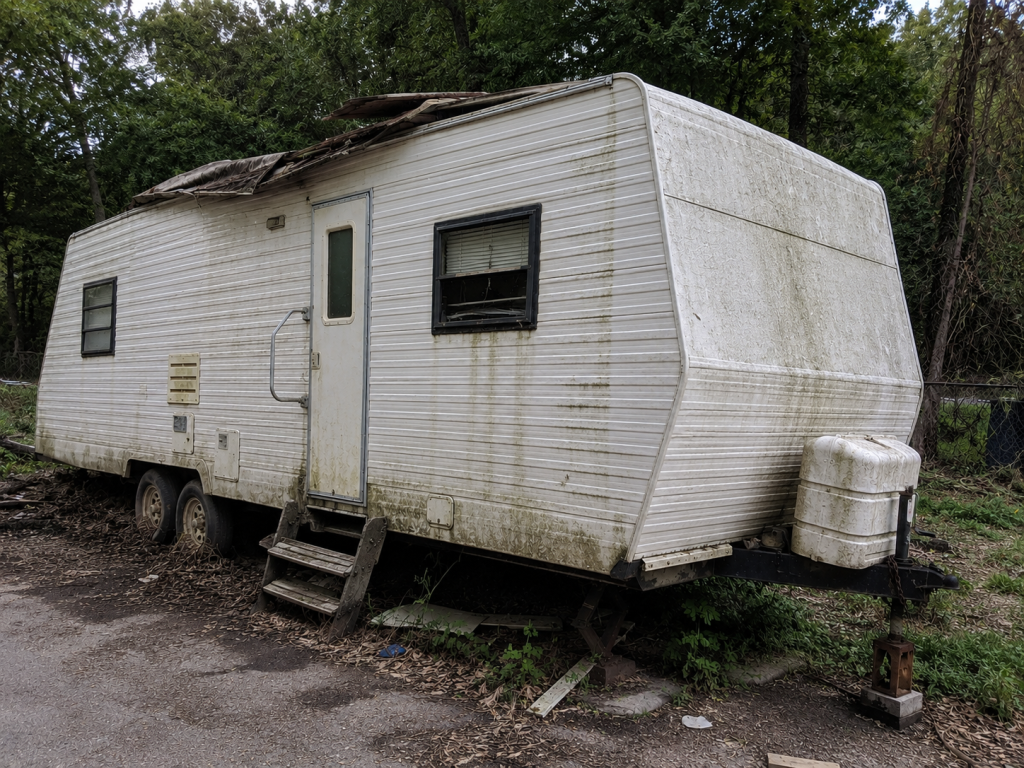

One company quotes the job, hooks up the unit, tows it and handles disposal, so nothing gets passed along midway. Towing is included in the upfront price, with no hidden fees. Census estimates count 472 homes in Marion County that are a boat, RV or van, and those homes are not what we remove.
Our website form takes a request at any hour, and a call to 503-486-3880 reaches a person who can talk the job through. Either way, note the unit type, whether it runs and where it sits, and you hear back with a no-cost quote that carries no obligation. RV Removal Pros also covers Silverton, about 4 miles away.
6 RV parks and campgrounds on the map within 15 miles.
7 RV businesses on the map within 30 miles.
8,983 travel trailers, 3,110 motor homes, 697 campers and 348 buses.
About 472 homes are a boat, RV or van, give or take 202.
7 RV dealers and 9 RV park and campground businesses with paid employees.
15 active carriers on the federal list, with 67 owned trailers.
Portland, OR, about 30 miles away.
In Oregon, a trailer with a loaded weight of 1,801 pounds or more must be titled and registered if used on highways; the 1,800-pound exemption excludes travel trailers.
Oregon requires a person who is not a licensed dismantler to notify DMV before dismantling a vehicle, then submit its registration, plates and title within 30 days.
Confirm your case with Oregon Driver & Motor Vehicle Services (ODOT).