RV Removal

rvs-parked-at-the-beach-this-is

RV Removal & Disposal in Clearwater, FL

Pinellas County counts an estimated 652 homes that are a boat, RV or van, and RV Removal Pros removes the RVs and campers that are no longer wanted in Clearwater, FL.

Find your city

    1: Customer Information

    2: Service Information

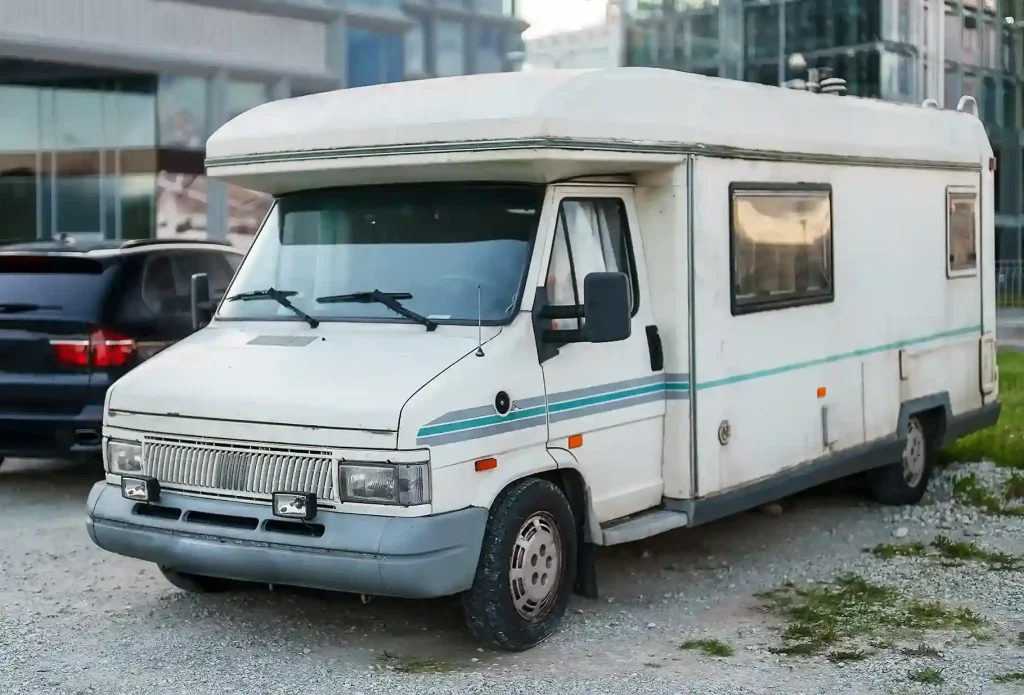
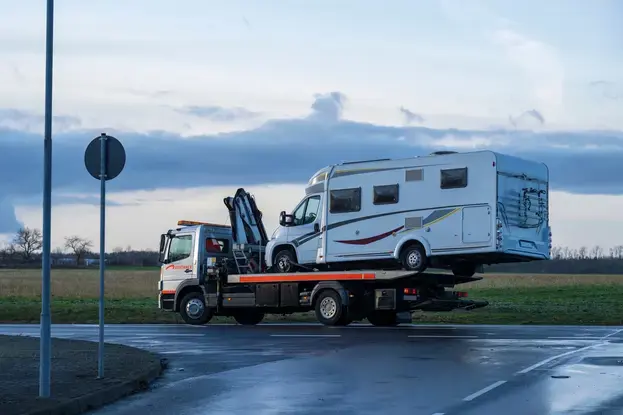
    Motorhome being removed as part of a free RV removal service. Loader lifting an RV (recreational vehicle), showing the process of elevating the vehicle

    RV Removal & Disposal Services in Pinellas County

    Clearwater homeowners who stopped using a camper still give up a driveway, a strip of lawn or a spot behind a shop to it. That ground could hold something else. Within 15 miles of Clearwater, 4 RV parks and campgrounds are mapped. Our job is simpler: hauling off the unit nobody plans to take to any of them.

    Certain RVs cannot leave in one piece. A trailer wedged between a fence and a carport, or a motorhome with a collapsed frame, may need to come apart before it can be loaded. Homeowners, business owners and landowners in Clearwater get help planning that step. The pieces then ride out together, and towing is included.

    RV Problems We Take Off Your Hands in Clearwater

    Inherited From Family

    Inherited along with a family member's property, an RV can sit untouched because no one in the family has a use for it. Keeping it ties up space while the estate gets settled. Hauling it away clears the lot so the house can be kept or sold.

    Roof Leaks and Soft Floors

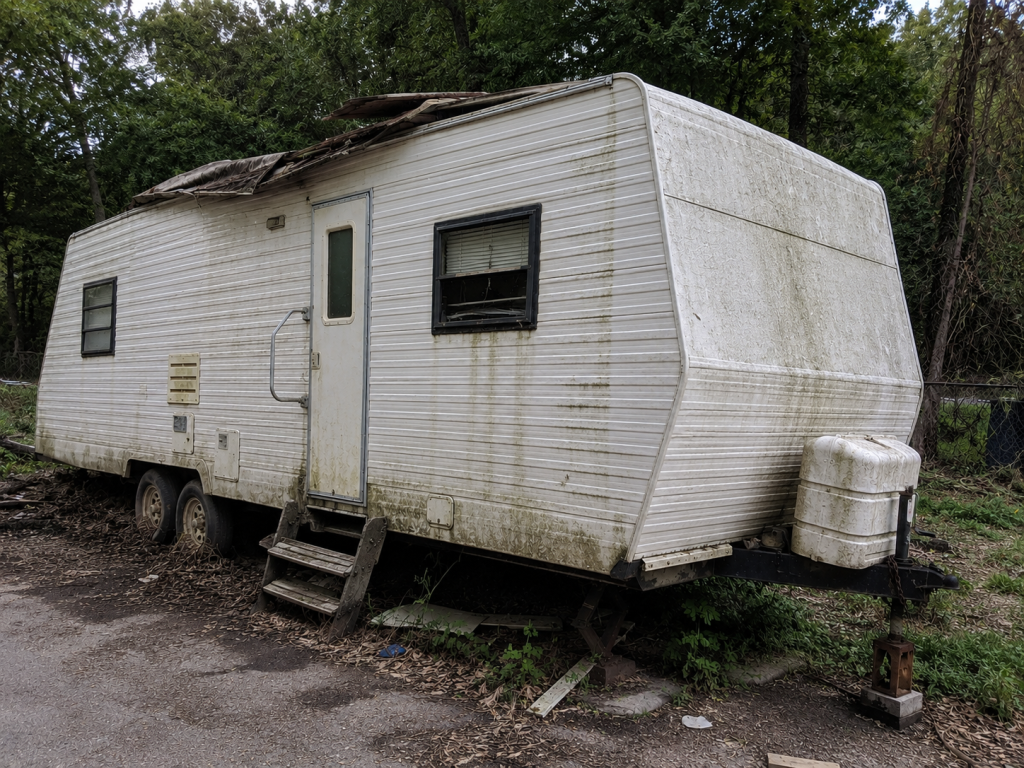
    Inside a water damaged trailer, floors turn soft, the ceiling sags and the roof no longer keeps anything out. Left where it is, the rot spreads and the unit gets harder to move. Crews take it in any condition and free the ground.

    Storage Lot Rent

    Monthly rent on a storage lot can outgrow the value of the RV parked there. Each month adds cost for something you no longer use. We coordinate access at the facility, tow the unit out and end that bill.

    How a Removal Goes in Clearwater

    We make the RV removal process straightforward by helping property owners coordinate the removal of unwanted campers, motorhomes, travel trailers, and other recreational vehicles. Here's what you can expect during the process.
     
    01

    Tell Us About the RV

    Provide basic information about the RV, including its type, condition, and location. Whether the vehicle is operational, damaged, abandoned, or no longer needed, our team can review the details and discuss available removal options.

    02

    Review Removal Details

    We review factors such as vehicle condition, site accessibility, attached structures, and any other details that may affect the removal process. This helps ensure the appropriate removal approach is planned for the situation.

    03

    Schedule the Removal

    Once the details have been reviewed, the RV can be scheduled for removal. Our team coordinates the process and helps ensure the vehicle is removed safely and efficiently from the property.

    RV Trailer at Sunset rv-on-tow-truck-mini

    What We Remove in Clearwater: RVs, Semi Trailers, Buses & Containers

    Towable units are covered in full: travel trailers, fifth wheels and toy haulers, whether hitched up or sitting on blocks at a home, a business or open land. Records show 8,542 travel trailers in Pinellas County, and any unwanted one, with good wheels or flat ones, can be hooked up and towed away.

    Trucking and transit equipment goes too, including semi trailers, buses and shipping containers. Federal records list 203 trucking companies in Clearwater with 1,163 trailers on file. For containers, the closest rail yard working with containers and trailers sits in Tampa, about 23 miles away.
    • Class A Motorhomes

    • Class B Camper Vans

    • Class C Motorhomes

    • Travel Trailers

    • Fifth Wheels

    • Toy Haulers

    • Pop-Up Campers

    • Truck Campers

    • Park Models

    • Semi Trailers

    • Buses

    • Shipping Containers

    Helping Property Owners Remove Unwanted RVs in Clearwater, FL

    Free estimates come with no obligation attached. Pricing is set upfront with no hidden fees, whether the trailer sits beside US Highway 19 or near Lake Seminole, about 6 miles from the center of town. Metal and working parts are recycled or reused whenever possible.

    Scheduling removal of an RV, camper or trailer in Pinellas County takes a call to 727-619-2884 or a booking online. Share the unit type, its condition and where it is parked so the quote fits the job. RV Removal Pros also covers Dunedin, about 4 miles away.

    Local RV Facts Around Clearwater

    RV Parks & Campgrounds Near Clearwater

    4 RV parks and campgrounds on the map within 15 miles.

    RV Businesses Near Clearwater

    1 RV business on the map within 15 miles.

    RVs on Record in Pinellas County

    8,542 travel trailers and 2,356 buses.

    Homes on Wheels in Pinellas County

    About 652 homes are a boat, RV or van, give or take 183.

    RV Businesses in Pinellas County

    7 RV dealers and 8 RV park and campground businesses with paid employees.

    Trucks & Trailers in Clearwater

    203 active carriers on the federal list, with 1,163 owned trailers.

    Weather in Pinellas County

    1 hail report and 1 wind report in the latest full year on record.

    Nearest Rail Container Terminal

    Hooker's Point Container Terminal, Tampa, FL, about 23 miles away.

    Florida Title Rules

    Florida requires most vehicles to be titled, with exceptions including mopeds, motorized bicycles and trailers weighing less than 2,000 pounds.

    In Florida, each owner named on the last title must surrender the certificate of title to the department when the motor vehicle or mobile home is dismantled or destroyed.

    Confirm your case with Florida Department of Highway Safety and Motor Vehicles.
    Places listed are not affiliated with RV Removal Pros. Distances are straight lines from the center of Clearwater.Sources: OpenStreetMap contributors 2026; Florida Highway Safety and Motor Vehicles, as of October 2026; Census American Community Survey 2020-2024; Census County Business Patterns 2023; FMCSA Company Census 2026; NOAA Storm Events Database 2025; US DOT intermodal rail facilities; Florida Department of Highway Safety and Motor Vehicles, checked November 2026; Census TIGER roads 2024; USGS National Hydrography Dataset.

    Frequently Asked Questions

    • Will you remove personal belongings or propane tanks before towing?
      Ideally, personal belongings come out and propane tanks get drained before pickup. When your Clearwater home makes that hard, let the crew know before the scheduled day so precautions are in place, and the crew can frequently help empty fluids and disconnect tanks.
    • How much does it cost to remove a junk RV?
      Costs shift with the RV's size, condition and location. After you reach out, you get a fair, upfront quote with no hidden fees, weighing whether it runs, needs disassembly or sits in a hard to reach corner of your Clearwater property.
    • Do you operate only within the city of Clearwater?
      No, Clearwater is only part of it. Pickups reach every part of Pinellas County, including the communities around the city, and coverage extends across the whole county.
    • What types of vehicles do you remove?
      Our crews take old or broken down RVs and motorhomes of various sizes, plus trailers, fifth wheels, pop-up campers, truck campers, buses, boat trailers and abandoned or stationary units. Equipment on hand can haul nearly any camper from a home or business in Pinellas County, whatever its size or condition.
    • What areas in Pinellas County do you serve?
      Coverage takes in all of Pinellas County, both city limits and unincorporated areas. Wherever your RV is parked within the county, on a residential lot or open land, pickup and removal can be arranged.
    • What do you mean by "environmentally responsible disposal"?
      In this context, metal, scrap and usable parts from Pinellas County pickups get sorted and sent to recyclers whenever possible, with reuse ahead of disposal. Fuel, oil and refrigerants are drained and handled according to local environmental rules.